
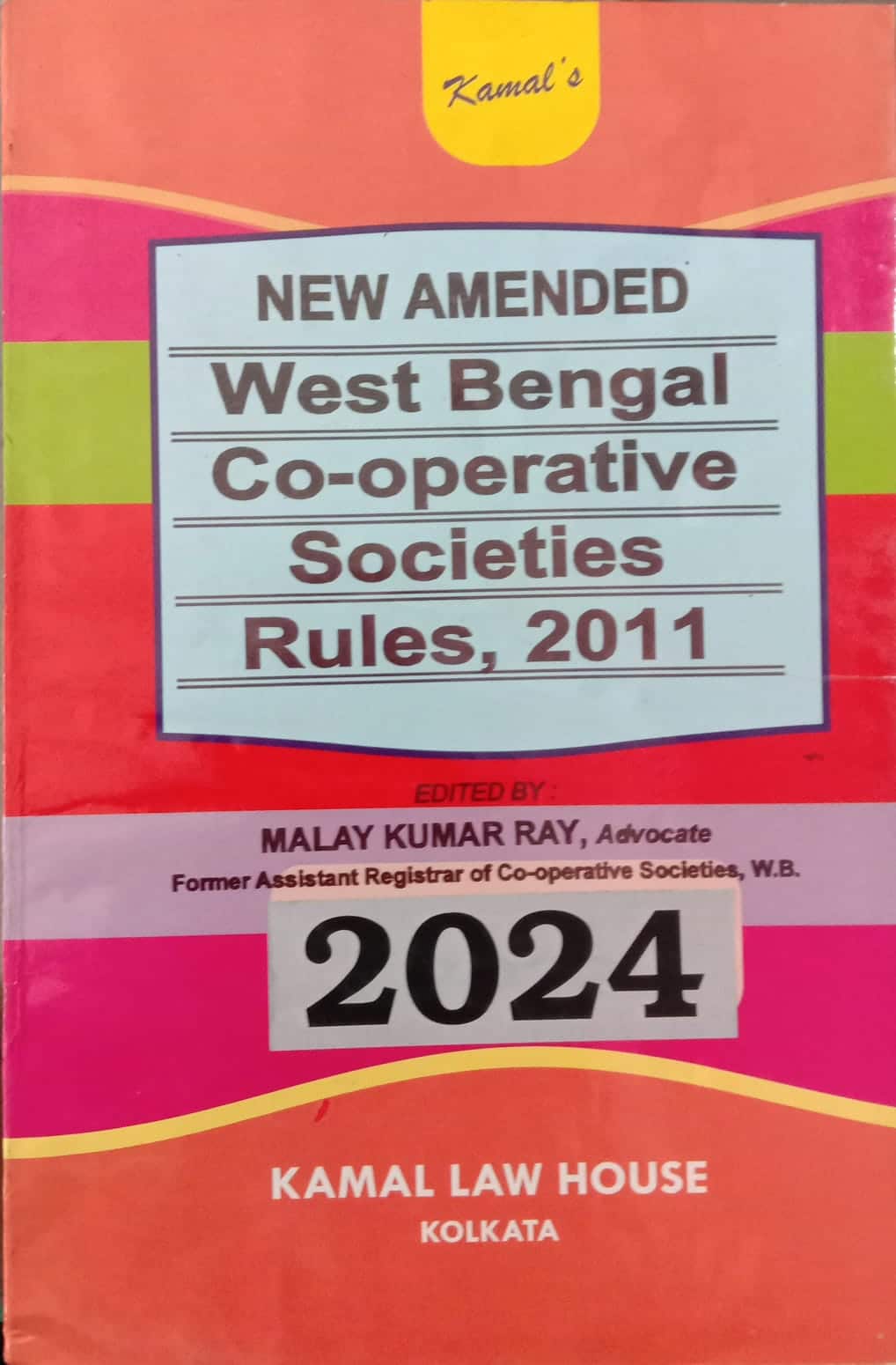
KLH’s West Bengal Co-Operative Societies Rules, 2011 by Malay Kumar Ray
Original price was: ₹300.00.₹240.00Current price is: ₹240.00.
KLH’s West Bengal Co-Operative Societies Rules, 2011 by Malay Kumar Ray.
10 in stock
KLH’s West Bengal Co-Operative Societies Rules, 2011 by Malay Kumar Ray.
KLH’s West Bengal Co-Operative Societies Rules, 2011 by Malay Kumar Ray.
Description:
KLH’s West Bengal Co-Operative Societies Rules, 2011 by Malay Kumar Ray.
The West Bengal Co-Operative Societies Rules, 2011 provide the regulatory framework for the governance, management, and operation of all cooperative societies in the state of West Bengal. These rules were enacted under the provisions of the West Bengal Co-Operative Societies Act, 2006 (which amended the earlier 1983 Act).
Key Provisions and Scope
The Rules cover a wide range of administrative and operational matters, including:
- Registration of new cooperative societies and amendment of their by-laws.
- Membership eligibility, admission process, rights, liabilities, and cessation of membership.
- Governance structure, including the constitution of the Board of Directors, their powers, duties, and election procedures.
- Financial Management, covering aspects like borrowing powers, distribution of net profits (e.g., mandatory contributions to Reserve Fund and Bad Debt Fund), audit requirements, and financial assistance from the State Government.
- Dispute Resolution mechanisms.
- Recruitment and Service Conditions of officers and employees within the societies.
- Specific provisions for different types of cooperatives, such as Housing Cooperative Societies and Primary Agricultural Credit Cooperative Societies.
Details
- Binding : Paperback
- Publisher : Kamal Law House
- Language : English
- Author : Malay Kumar Roy
| Author | Malay Kumar Ray |
|---|---|
| Language | English |
| Publisher | Kamal Law House |
Only logged in customers who have purchased this product may leave a review.
Related products
VP’s Cyber Law & Cyber Crimes by Dr. J. N. Barowalia
Equip your practice for India’s new era of digital jurisprudence. VP’s Cyber Law & Cyber Crimes (2nd Edition, August 2026), authored by Dr. J. N. Barowalia and Dr. Aarushi Jain, is a monumental 1,100-page desk reference published by Vinod Publications.
-
✔ The New Criminal Framework: Complete cross-analysis of cyber offenses with the Bharatiya Nyaya Sanhita (BNS) 2023 and procedural impacts under the Bharatiya Nagarik Suraksha Sanhita (BNSS) 2023.
-
✔ Electronic Evidence Mastery: Detailed, actionable guides on hash value validation and presenting digital evidence in court as per the Bharatiya Sakshya Adhiniyam (BSA) 2023.
-
✔ Data Privacy & Modern Threats: Section-by-section breakdown of the DPDP Act, 2023, plus judicial interpretations on digital arrests, crypto-crimes, and ransomware. Featuring a prestigious foreword by former CJI Hon’ble Dr. Justice D.Y. Chandrachud.
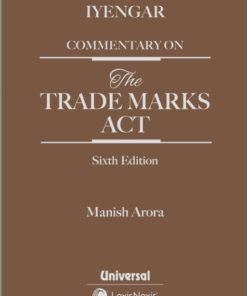
Lexis Nexis’s Commentary on Trade Marks Act by T.R.S. Iyengar
Navigate the complex intersection of intellectual property law and commercial strategy with Iyengar's Commentary on The Trade Marks Act. Published by LexisNexis, this comprehensively updated 6th Edition (2025) remains the ultimate courtroom and boardroom authority on brand protection.
-
✔ Integrated Business Approach: Approaches trademark law not just as a rigid statute, but as an active tool for business trading, brand protection, and corporate strategy.
-
✔ Global & Domestic Jurisprudence: Features an exhaustive compilation of landmark and recent case laws from both Indian courts and international jurisdictions.
-
✔ Complete Statutory Framework: Incorporates all recent legislative developments, Rules, Notifications, and critical international Treaties (including the Madrid Protocol).
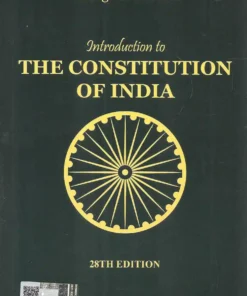
Introduction to the Constitution of India | DD Basu (28th Ed. 2026)
Master the foundational legal framework of the world's largest democracy with Introduction to the Constitution of India by legendary jurist Durga Das Basu. Published by LexisNexis, this 28th Edition (2026) remains the most incisive and pioneering work on the subject.
-
✔ Historical & Modern Context: Traces India’s constitutional evolution since the Government of India Act, 1858, right through to the latest legislative amendments.
-
✔ Recent Landmark Judgments: Fully updated with pivotal Supreme Court decisions, including Surendra Koli v State of Uttar Pradesh and Dr Tanvi Behl v Shrey Goel.
-
✔ Exam-Ready Structure: Features an analytical table of contents, marginal notes, and reference tables, making it indispensable for LL.B., LL.M., and UPSC/PSC candidates.

Reviews
There are no reviews yet.