
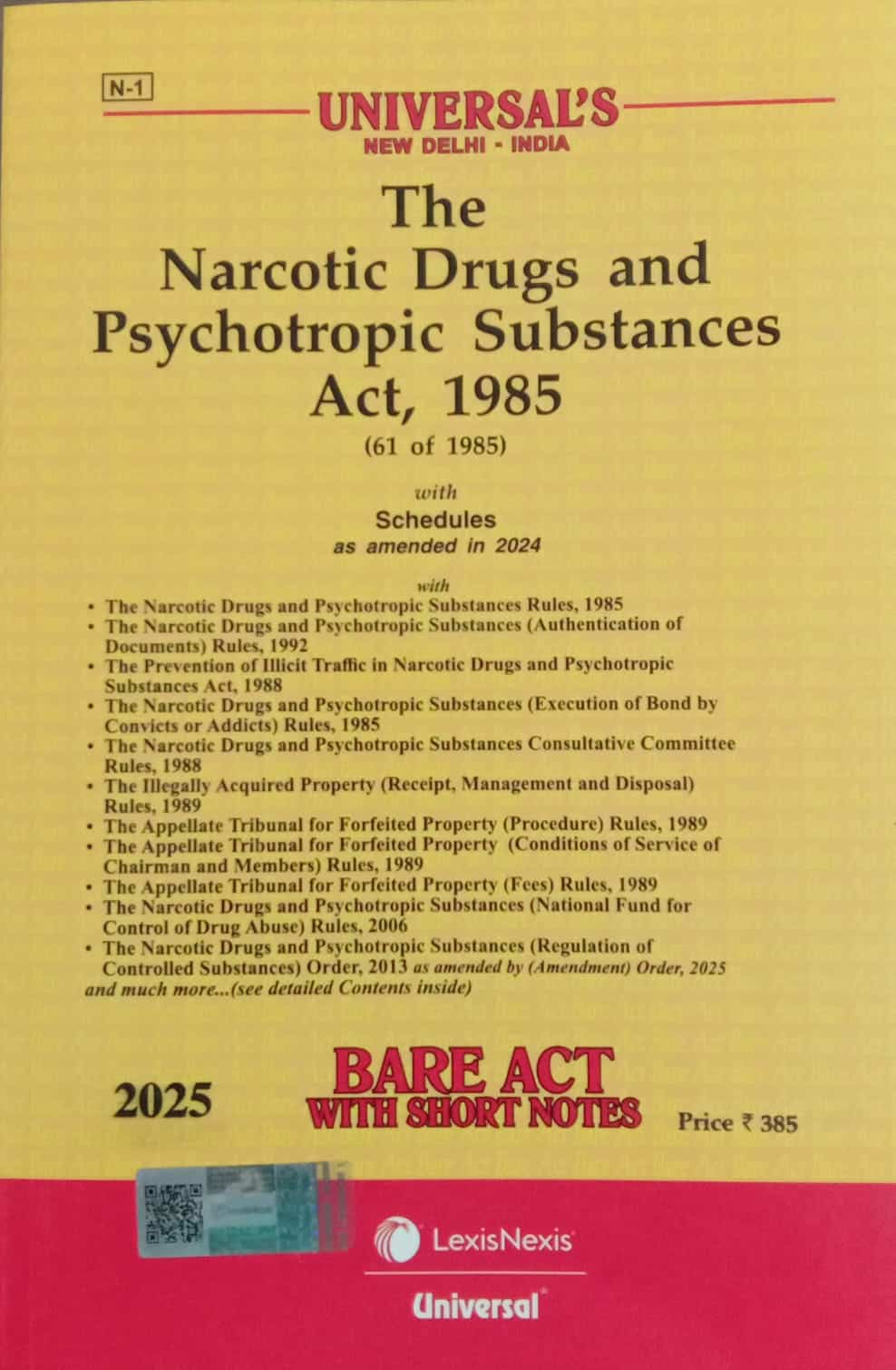

Lexis Nexis’s Narcotic Drugs and Psychotropic Substances Act, 1985 (Bare Act) – 2025 Edition
₹385.00
Lexis Nexis’s Narcotic Drugs and Psychotropic Substances Act, 1985 along with allied Act, Rules and Order (Bare Act) – 2025 Edition.
30 in stock
Lexis Nexis’s Narcotic Drugs and Psychotropic Substances Act, 1985 along with allied Act, Rules and Order (Bare Act) – 2025 Edition.
Lexis Nexis’s Narcotic Drugs and Psychotropic Substances Act, 1985 along with allied Act, Rules and Order (Bare Act) – 2025 Edition.
Description:
The Narcotic Drugs and Psychotropic Substances (NDPS) Act, 1985, is an Act of the Parliament of India that regulates and prohibits operations related to narcotic drugs and psychotropic substances. The act makes it illegal for any person to produce, cultivate, possess, sell, purchase, transport, store, or consume any narcotic drug or psychotropic substance, except for medicinal or scientific purposes.
Key provisions of the NDPS Act
The NDPS Act was created to unify India’s laws on narcotic drugs and psychotropic substances and comply with international drug conventions. It defines narcotic drugs, including cannabis, coca leaf, and opium, and psychotropic substances. Penalties vary significantly based on the quantity of the substance, ranging from up to one year imprisonment and a fine for a small quantity, to 10 to 20 years imprisonment and a substantial fine for a commercial quantity. The Act also imposes harsh punishments for financing illicit trafficking and harboring offenders, and allows for the forfeiture of property linked to drug trafficking. Section 64A offers immunity from prosecution for addicts seeking voluntary treatment. The Act also led to the establishment of the Narcotics Control Bureau (NCB) in 1986 to coordinate enforcement.
Major amendments to the NDPS Act
The NDPS Act has been amended multiple times:
- 1988: Added stricter provisions, including Section 27A regarding financing and harboring offenders.
- 2001: Rationalized sentencing based on the quantity of drugs seized.
- 2014: Relaxed restrictions on “Essential Narcotic Drugs” for medical use and addressed property forfeiture.
- 2021: Corrected a drafting error from the 2014 amendment.
Context before 1985
Before the NDPS Act, cannabis use was not explicitly restricted and was widely accepted in India. The Act was partly influenced by international pressure from the UN and US for global drug laws starting in the 1960s.
Details
- Binding : Softcover
- Publisher : Lexis Nexis
- Author : Universal
- Edition : 2025
- Language : English
- ISBN-10 : 9999999999N01
- ISBN-13 : 9999999999N01
| Publisher | Lexis Nexis |
|---|---|
| Language | English |
| Author | Universal |
Only logged in customers who have purchased this product may leave a review.
Related products
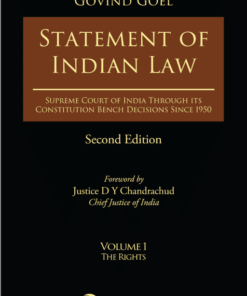
Lexis Nexis’s Statement of Indian Law by Govind Goel
Master the absolute highest level of Indian jurisprudence. LexisNexis's Statement of Indian Law (2nd Edition, 2024) by Govind Goel is a monumental 3-volume compilation tracking every single decision delivered by the Constitution Benches of the Supreme Court of India since 1950.
-
✔ The Ultimate Constitutional Record: The only exhaustive running interpretative commentary on the evolution of law through the Constitutional Benches.
-
✔ Pioneering Judicial Analytics: Features a dedicated chapter mapping the productivity, spread of unanimity, and dissent of Supreme Court judges using graphs, pie charts, and data tables.
-
✔ Recent Historic Addendums: Fully updated with landmark 2023/2024 rulings, including In Re Article 370 of the Constitution of India, Vivek Narayan Sharma v Union of India, and Sita Soren v Union of India.
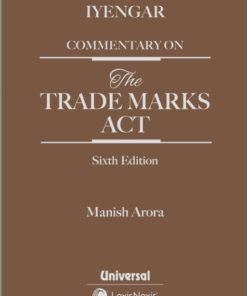
Lexis Nexis’s Commentary on Trade Marks Act by T.R.S. Iyengar
Navigate the complex intersection of intellectual property law and commercial strategy with Iyengar's Commentary on The Trade Marks Act. Published by LexisNexis, this comprehensively updated 6th Edition (2025) remains the ultimate courtroom and boardroom authority on brand protection.
-
✔ Integrated Business Approach: Approaches trademark law not just as a rigid statute, but as an active tool for business trading, brand protection, and corporate strategy.
-
✔ Global & Domestic Jurisprudence: Features an exhaustive compilation of landmark and recent case laws from both Indian courts and international jurisdictions.
-
✔ Complete Statutory Framework: Incorporates all recent legislative developments, Rules, Notifications, and critical international Treaties (including the Madrid Protocol).
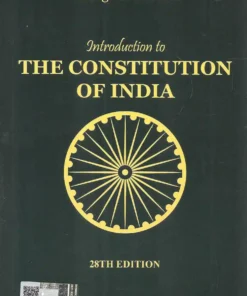
Introduction to the Constitution of India | DD Basu (28th Ed. 2026)
Master the foundational legal framework of the world's largest democracy with Introduction to the Constitution of India by legendary jurist Durga Das Basu. Published by LexisNexis, this 28th Edition (2026) remains the most incisive and pioneering work on the subject.
-
✔ Historical & Modern Context: Traces India’s constitutional evolution since the Government of India Act, 1858, right through to the latest legislative amendments.
-
✔ Recent Landmark Judgments: Fully updated with pivotal Supreme Court decisions, including Surendra Koli v State of Uttar Pradesh and Dr Tanvi Behl v Shrey Goel.
-
✔ Exam-Ready Structure: Features an analytical table of contents, marginal notes, and reference tables, making it indispensable for LL.B., LL.M., and UPSC/PSC candidates.
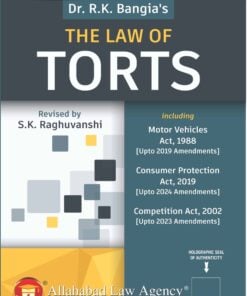
Law of Torts by R.K. Bangia (27th Edition, 2026) | ALA
Begin your legal journey with the most widely prescribed torts textbook in Indian legal education: The Law of Torts by Dr. R.K. Bangia. Published by the Allahabad Law Agency (ALA), this 27th Edition Reprint (2026) is revised by S.K. Raghuvanshi to meet modern syllabus demands.
-
✔ Updated Statutory Landscape: Integrates the Motor Vehicles Act, 1988 (amended up to 2019), Consumer Protection Act, 2019 (amended up to 2024), and Competition Act, 2002 (amended up to 2023).
-
✔ Classic Case Laws: Develops foundational concepts through landmark judgments from Rylands v. Fletcher to M.C. Mehta.
-
✔ Authentic Edition: Includes the ALA holographic authenticity seal on every genuine copy.



Reviews
There are no reviews yet.