
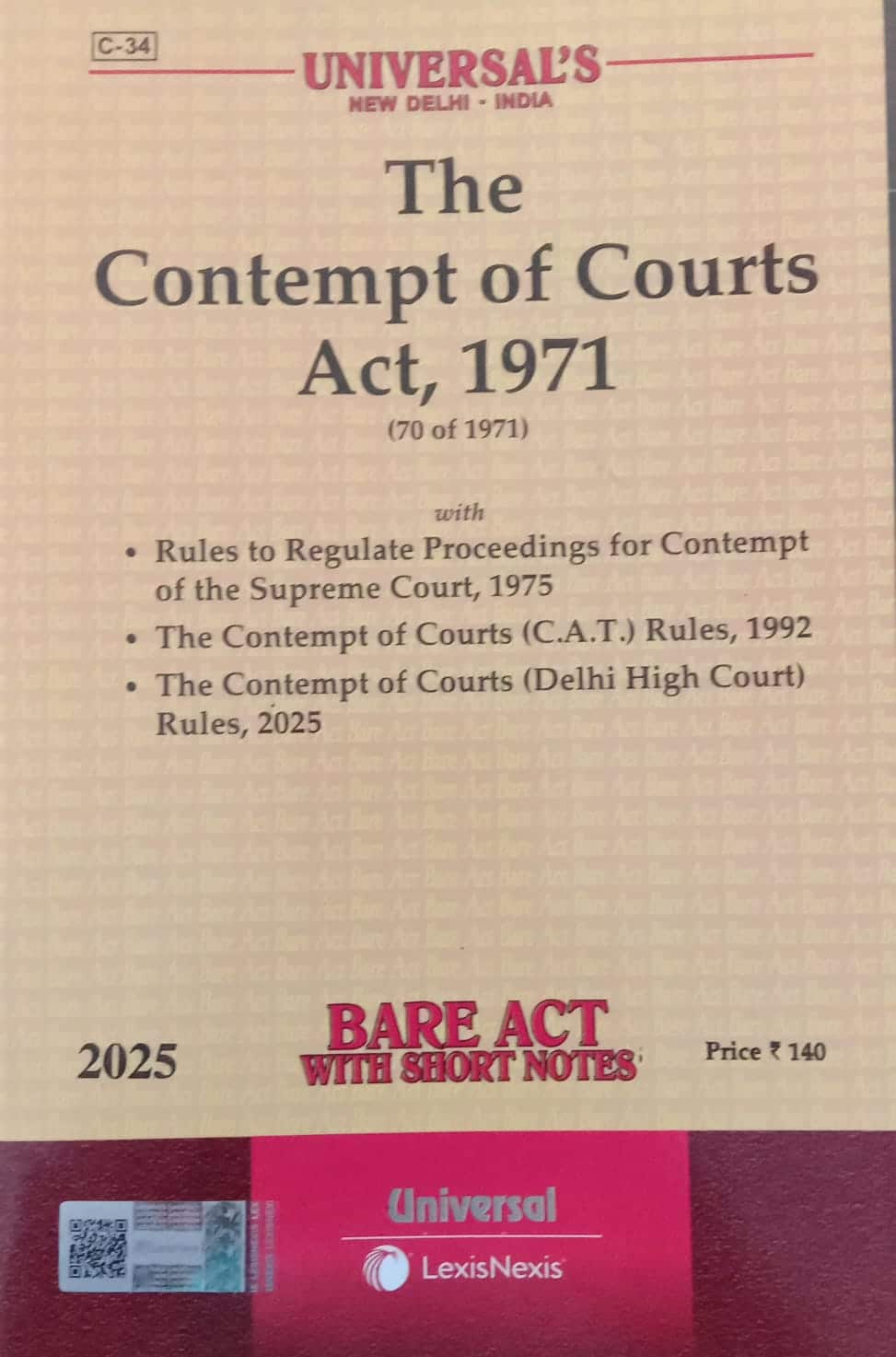



Lexis Nexis’s The Contempt of Courts Act, 1971 (Bare Act) – 2025 Edition
₹140.00
Lexis Nexis’s The Contempt of Courts Act, 1971 along with Rules to Regulate Proceedings for Contempt of the Supreme Court, 1975 (Bare Act) – 2025 Edition.
27 in stock
Lexis Nexis’s The Contempt of Courts Act, 1971 along with Rules to Regulate Proceedings for Contempt of the Supreme Court, 1975 (Bare Act) – 2025 Edition.
Lexis Nexis’s The Contempt of Courts Act, 1971 along with Rules to Regulate Proceedings for Contempt of the Supreme Court, 1975 (Bare Act) – 2025 Edition.
Description:
The Contempt of Courts Act, 1971, is an Indian law that defines and limits the powers of certain courts to punish for contempt of court and regulates their procedure. The act safeguards the judiciary’s authority and dignity, ensuring the fair and efficient administration of justice. It categorizes contempt into two main types: civil and criminal.
Types of contempt
The Act, influenced by the H.N. Sanyal Committee report and drawing from the Constitution, supports the contempt powers of the Supreme Court and High Courts. Civil contempt involves willful disobedience of court orders, while criminal contempt includes acts that scandalize or lower court authority, interfere with judicial proceedings, or obstruct justice.
Key provisions and procedures
Punishments can include imprisonment or fines, with an apology potentially leading to discharge. An amendment limits punishment to cases that substantially interfere with justice. Defenses include innocent publication and fair criticism after a case is decided, along with the defense of truth in the public interest following a 2006 amendment. The Supreme Court or High Court can initiate criminal contempt proceedings. There is a one-year limitation period for initiating proceedings.
Criticism and context
The law attempts to balance judicial authority with freedom of speech. However, it faces criticism regarding the broad definition of criminal contempt and potential for inconsistent application. Courts are advised to use this power cautiously.
Details
- Binding : Softcover
- Publisher : Lexis Nexis
- Author : Universal
- Edition : 2025
- Language : English
- ISBN-10 : 9999999999C34
- ISBN-13 : 9999999999C34
| Publisher | Lexis Nexis |
|---|---|
| Language | English |
| Author | Universal |
Only logged in customers who have purchased this product may leave a review.
Related products
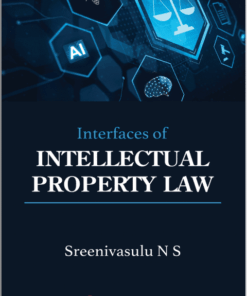
Lexis Nexis’s Interfaces of Intellectual Property Law by Sreenivasulu N S
Go beyond the basics with Interfaces of Intellectual Property Law. Authored by distinguished NUJS Professor Sreenivasulu N S and published by LexisNexis, this 1st Edition (2025) explores how IP rights intersect with today’s most critical legal domains.
-
✔ Cross-Disciplinary Approach: Delves into the coexistence of IP law with constitutional law, human rights, environmental law, and technology law.
-
✔ Comprehensive Scope: Reviews the evolution of IP laws from 19th-century conventions through to the complex post-TRIPS era.
-
✔ Latest Developments: Fully updated with important judicial developments and recent legislative changes shaping the public domain and competition law.
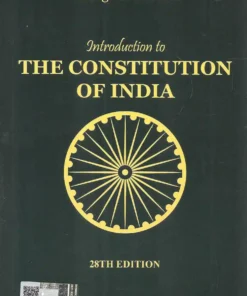
Introduction to the Constitution of India | DD Basu (28th Ed. 2026)
Master the foundational legal framework of the world's largest democracy with Introduction to the Constitution of India by legendary jurist Durga Das Basu. Published by LexisNexis, this 28th Edition (2026) remains the most incisive and pioneering work on the subject.
-
✔ Historical & Modern Context: Traces India’s constitutional evolution since the Government of India Act, 1858, right through to the latest legislative amendments.
-
✔ Recent Landmark Judgments: Fully updated with pivotal Supreme Court decisions, including Surendra Koli v State of Uttar Pradesh and Dr Tanvi Behl v Shrey Goel.
-
✔ Exam-Ready Structure: Features an analytical table of contents, marginal notes, and reference tables, making it indispensable for LL.B., LL.M., and UPSC/PSC candidates.



Reviews
There are no reviews yet.